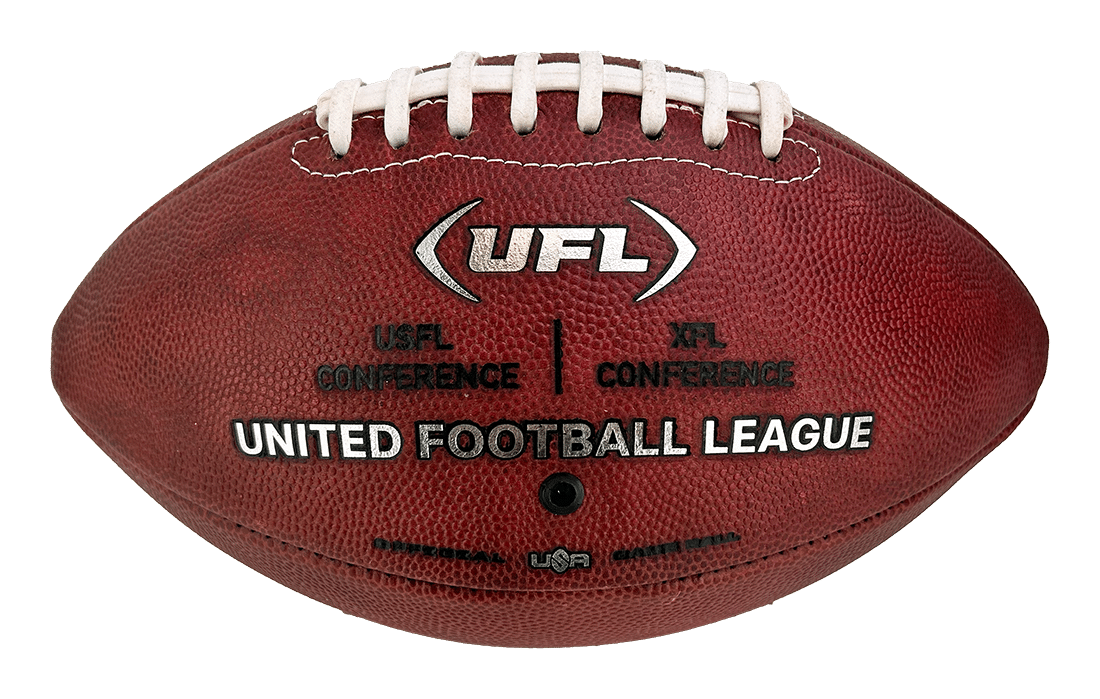
Spring football returned with the UFL, and bettors who spent years studying NFL markets found a different animal waiting for them. The rules look familiar on the surface, but the scoring system, catch requirements, and overtime format create wrinkles that affect point spreads and totals in ways that NFL habits do not prepare you for. Sportsbooks have less historical data to work with, which means their models carry more uncertainty. That uncertainty cuts both ways.
UFL betting differs from NFL betting primarily due to changes in scoring rules, catch requirements, and overtime format, all of which directly influence spreads, totals, and overall betting strategy.
The NFL sits at the top of the betting food chain. Books have decades of data, injury reports down to the minute, and enough action flowing through their systems to keep lines razor-thin. UFL markets operate with none of those advantages. Limits stay low, margins stay wide, and the average bettor faces a different kind of math when deciding where to put money down. This difference highlights how UFL betting rules and market conditions create a distinct betting environment.
Scoring Rules Change Everything About Spreads
The UFL adopted a three-point conversion for 2026. After a touchdown, teams can kick a standard extra point from 33 yards, run a two-point attempt from the two-yard line, or try for three points from the eight-yard line. This wrinkles spread betting in a straightforward way. A team down by nine in the NFL needs two scores. A team down by nine in the UFL could potentially tie the game with a single touchdown and a successful three-point conversion.
Bettors accustomed to key numbers like 3, 7, and 10 in NFL spreads will need to reconsider which margins matter. A three-point spread in an NFL game feels tight. A three-point spread in a UFL game carries different weight because the extra conversion options change how teams approach late-game situations.
Field goals from 60 yards or more count as four points in the UFL. This affects totals betting and live lines when games stay close in the fourth quarter. Coaches who would normally settle for field position might let their kicker try the long shot, knowing the reward has increased.
Stretching a Bankroll Across Spring Football
UFL betting markets come with wider margins than NFL lines, which means bettors lose more to the vig over time. One way to offset this is by using signup offers from sportsbooks. FanDuel and BetMGM both run first-bet promotions for new users, and this promo code by 888sport gives bonus credit on initial deposits. These deals reduce the effective cost of placing wagers on a league where the books still hold an edge through inflated juice.
Combining promotional credits with the softer UFL lines can improve expected value on individual bets. The smaller limits mean you cannot bet large amounts, but free play from bonuses makes low-volume action more sustainable.
Catch Rules and Reception Props
The UFL requires only one foot in bounds for a legal catch, matching NCAA rules rather than the NFL’s two-foot requirement. This difference affects how you think about reception props and player totals. Sideline catches that would fall incomplete in NFL games count in UFL play. Receivers who work the boundary become more productive under these rules, and their reception numbers may run higher than their skill level would suggest in a two-foot system.
If you bet player props, pay attention to which receivers spend time near the sidelines. Their catch rates in the UFL will not translate directly to NFL equivalents.
Overtime and Closing Lines
UFL overtime uses a shootout format. Teams alternate attempts from the five-yard line until someone wins. No field goals, no clock management, no defensive stands across full possessions. This format adds variance to late-game betting. A team that dominated for 58 minutes can lose in overtime because their opponent won a coin flip equivalent.
Live bettors should factor this in when games are tied late. The overtime format reduces the advantage that a better team holds in regulation, and lines should reflect that compression.
Why Books Set Different Limits
NFL betting markets carry massive limits because books have confidence in their numbers. They have seen millions of games worth of data patterns, they know how public money moves, and they can adjust lines quickly when sharp action comes in. UFL markets lack this depth.
Books set lower limits on UFL games because their exposure to error is higher. A mispriced line in an NFL game gets corrected by heavy action within minutes. A mispriced line in a UFL game might sit there because the betting volume never reaches the threshold that forces correction.
This creates an opportunity for bettors who study the league seriously. Softer lines exist more frequently in UFL betting markets. The tradeoff is that you cannot bet much on them before the book either moves the line or cuts you off.
Broadcast Differences That Affect Live Betting
UFL broadcasts display live odds during games, and announcers discuss betting lines openly. This practice remains uncommon in NFL coverage, where networks avoid direct references to gambling during play-by-play.
For live bettors, the UFL broadcast style provides real-time information without needing a second screen. You can watch the game and see where lines are moving simultaneously. Whether this helps or hurts depends on your process, but the information accessibility differs from how NFL games are presented.
Building a Process for UFL Betting
The smaller sample sizes in UFL markets mean standard handicapping methods produce less reliable results. NFL bettors who rely on ten years of team data cannot apply the same approach here. Rosters change more frequently, coaching staff have shorter tenures, and the rule differences make cross-league comparisons unreliable.
Successful UFL betting requires treating the league as its own entity. Study how teams use the three-point conversion in close games. Track which coaches take the four-point field goal attempts. Note which defenses struggle in the shootout overtime format. These tendencies will not appear in NFL databases and form the basis of a more effective UFL betting strategy.
Conclusion
Betting on the UFL requires adjustments that NFL bettors may not anticipate. The scoring rules, catch requirements, and overtime format create different strategic considerations for both teams and bettors. Sportsbooks operate with less certainty in UFL markets, which produces softer lines but also lower limits and wider margins. The information gap between sharp bettors and casual ones may be smaller in UFL markets than in NFL markets simply because everyone has less data to work with. Approach UFL betting as a separate skill set rather than an extension of NFL habits, and the differences become opportunities rather than obstacles.